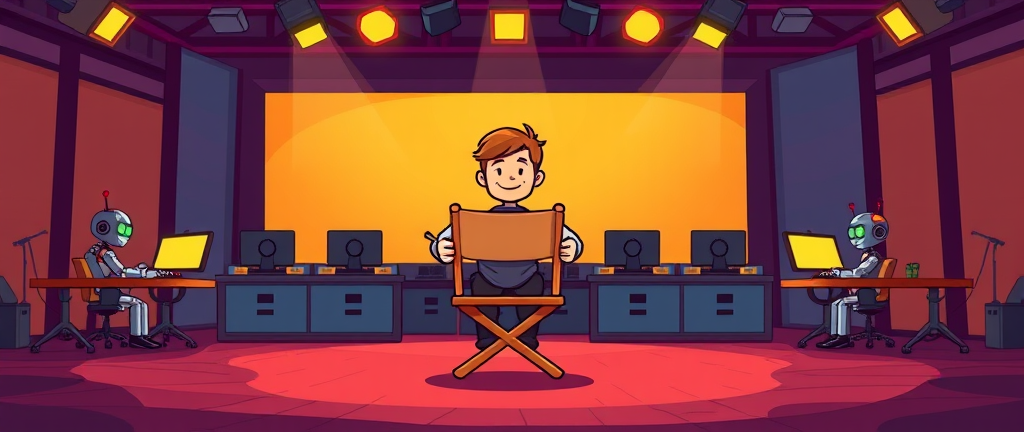
Effective Vibecoding
How to direct an AI coding agent well: scoping tasks, prompting clearly, reviewing what it writes, and staying safely in control the whole time.
aiprogrammingproductivitybeginner
27decks
27main cards
140practice cards
20%with images
v1.0.0version
Card type mix
- multiple choice: 75
- true false: 54
- select blank: 31
- order: 5
- multi select: 2
What's covered
- What "Vibecoding" Actually Means
- A Different Job: Director, Not Typist
- What Agents Are Genuinely Good At
- Where Agents Still Fall Short
- Project Context Files
- Scoping a Task Before You Ask
- Breaking Big Asks Into Small Steps
- Being Specific Without Over-Specifying
- Showing an Example Instead of a Rule
- Asking for a Plan First
- Correcting an Agent Mid-Task
- Never Trust, Always Verify
- Reading a Diff Like a Reviewer
- Running and Testing the Result Yourself
- Spotting a Confident Hallucination
- Reversible vs. Irreversible Actions
- Sandboxing and Permissions
- Committing in Small Steps While Vibecoding
- Knowing When to Take Back the Wheel
- Pair-Programming With an Agent
- Using an Agent for Code Review
- Delegating Research vs. Delegating Implementation
- Losing the Thread in a Long Session
- Over-Trusting a Confident Tone
- Letting Scope Creep In
- Building Reusable Prompts and Playbooks
- Knowing When Not to Vibecode
Example cards
multiple choice
What does vibecoding mean?
multiple choice
What is your new job when vibecoding?
Latest: Initial release — 27 decks, 194 cards, each pack with a preview card teaching the concept before its graded main card and practice cards.